
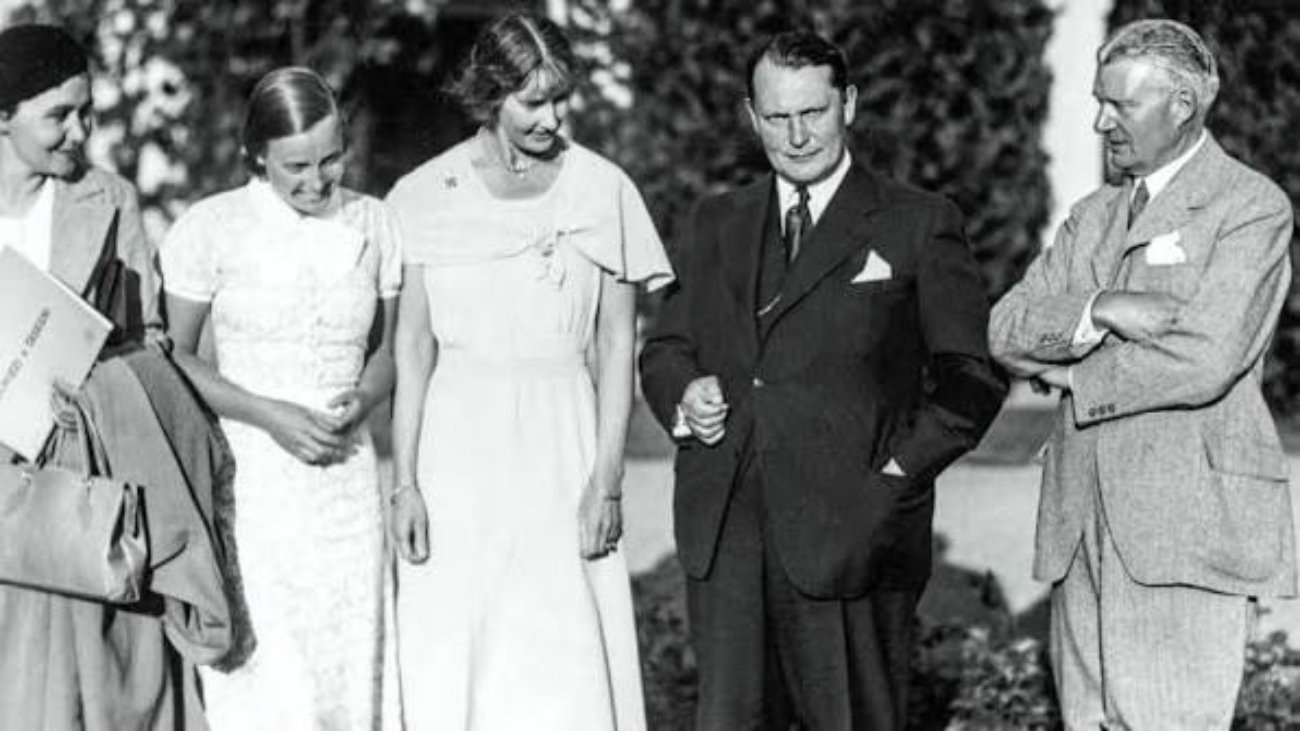
Carin Von Kantzow, though not a household name, has significant historical relevance rooted in her life as a Swedish noblewoman. Her prominence arises from her marital connection to Hermann Göring, a leading figure in Nazi Germany, which provides a compelling backdrop to her life story. As you explore her life, you’ll learn about her noble origins, her personal relationships, and the health struggles that defined her later years. This article will guide you through the key phases of Carin Von Kantzow’s life, offering insights into her experiences and the historical context that surrounded her.
Early Life and Background
Carin Axelina Hulda Fock was born in Stockholm on October 21, 1888, into a family steeped in Swedish nobility. Her upbringing provided her with a vantage point few others could claim, immersing her in an environment of privilege and responsibility. Her early life shaped her worldview and paved the way for her later connections and social standing. In 1910, she married Nils Gustav von Kantzow. This union was significant as it awarded her the title of “von Kantzow,” establishing her formally within the noble community. These early experiences and associations would play a pivotal role in the trajectory of her life, impacting decisions and relationships that followed.
Marriage and Family
Carin’s marriage to Nils Gustav von Kantzow was marked by both personal and societal milestones. The couple had a son, Thomas, whose birth added another layer to Carin’s identity as a mother and wife. This familial bond offered stability, but life’s circumstances had more in store for her. Despite acquiring the title “von Kantzow” through marriage, Carin’s journey was far from settled. Her relationship with Nils eventually ended in divorce, reflecting the complexities of her personal life. The dissolution of this marriage marked a turning point, leading her to new chapters and unexpected paths.
Meeting Hermann Göring
In 1920, Carin’s life took a dramatic turn when she encountered Hermann Göring. Their meeting set off a series of events that led to her divorce from Nils Gustav von Kantzow and opened the door to a new union. By 1923, Carin had married Göring, entwining her fate with one of the most powerful figures in Nazi Germany. This relationship significantly altered her life path, placing her in the midst of the evolving political landscape of the time. Carin’s connection to Göring added a layer of complexity to her identity, both personally and historically.
Later Life and Health Issues
As Carin transitioned into her later years, her health began to deteriorate. Reports of illness varied, with some attributing her decline to tuberculosis, while others mentioned heart complications or myocardial infarction. These health struggles defined Carin’s later life and ultimately led to her untimely death in 1931, just short of her 43rd birthday. The variability in accounts of her cause of death highlights the challenges of reconstructing her final days, yet underscores the personal battles she faced. The impact of these struggles is evident in her life’s final chapter, reminding us of the often-overlooked personal vulnerabilities behind public personas.
Influence and Historical Context
Despite her relatively short life span, Carin Von Kantzow left a lasting mark due to her association with Hermann Göring. Positioned at the intersection of nobility and the tumultuous era leading up to her death, she played a role that merits closer examination. Carin’s influence is largely observed through her connection to Göring, as her life unfolded amidst significant historical events and geopolitical shifts. Her presence in this historical context reflects the complexities of personal relationships and their impact on larger historical narratives.
Carin Von Kantzow’s Legacy
Carin’s legacy is formed by her juxtaposition of noble origins and significant historical connections. She is remembered within historical records and biographies that recount her life as both a personal journey and a social lesson. While her story may be overshadowed by her husband’s historical footprint, Carin’s narrative offers reflections on resilience, personal choices, and the societal expectations of her time. Her life continues to captivate historians and readers, encouraging us to consider the broader implications of her story.
Conclusion
Carin Von Kantzow’s journey from a Swedish noblewoman to a significant historical figure is a story rich with transitions and transformations. Her life, marked by distinctive phases, offers valuable insights into the intertwined realms of personal relationships and historical events. Carin’s story is not just about her connection to Hermann Göring but also about the personal experiences that shaped her along the way. As you reflect on her life, consider the broader narratives that define historical understanding. For more insights into historical figures and their impact, you can explore resources such as the one available at Road of Business.
Also Read: