
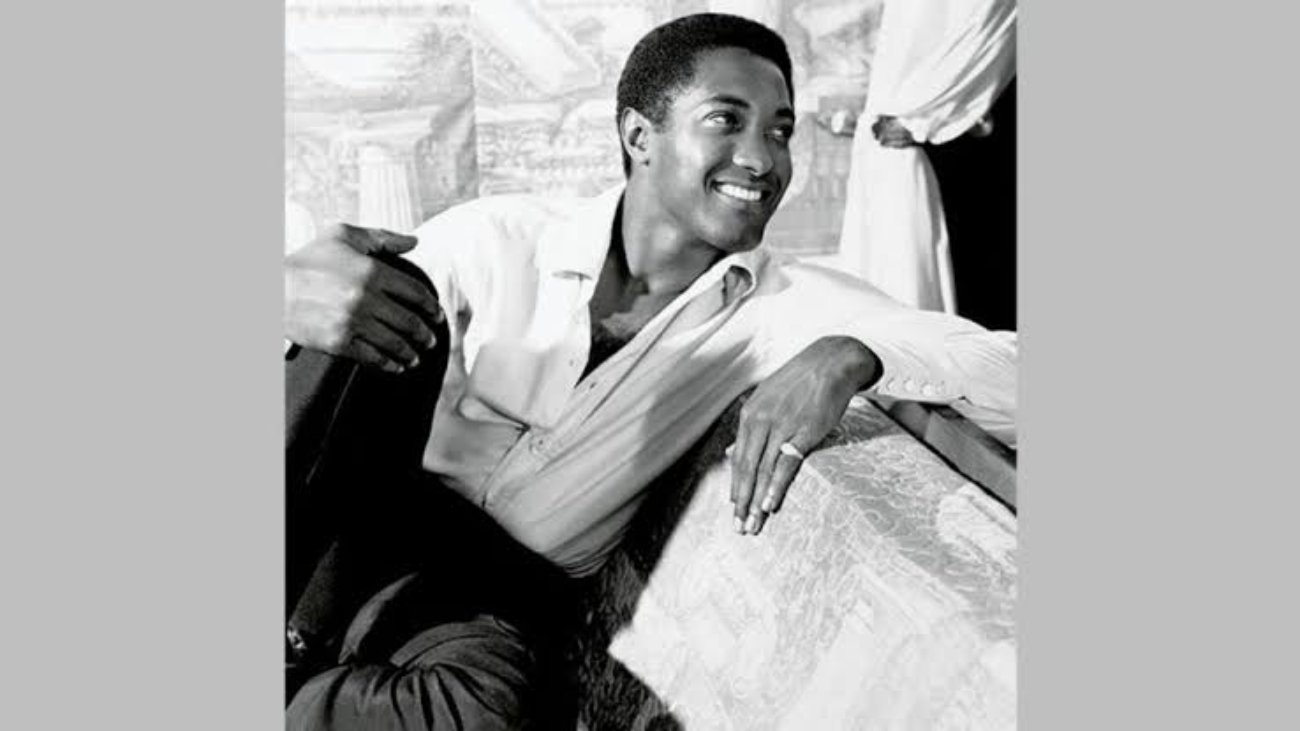
Search for Dolores Mohawk and you will find her name scattered across genealogy databases, biography pages, and histories of Sam Cooke. But reliable documentation about her life is sparse. Many sources repeat the same basic details without pointing to original records, making it genuinely difficult to separate confirmed facts from repeated claims.
This article covers what is currently reported about who she was, her connection to Sam Cooke, her work as a performer, the circumstances of her death, and where the public record runs thin.
Who Was Dolores Mohawk?
Dolores Mohawk appears in online sources under several different names. These include Dolores Cook, Delores Mohawk, and in some records, Dolores Elizabeth Milligan. Some sources also associate the performance name “Dee Dee Mohawk” with her, though that connection has not been confirmed by any strong primary source.
Even the spelling of her first name varies. Some databases use “Dolores” while others use “Delores.” That single-letter difference creates inconsistencies across genealogy platforms and biography pages, which can make tracking down records frustrating.
No verified birth date, birthplace, or family background is currently supported by original documents. Details like a confirmed legal name or parents are simply not established by publicly available records at this time. What is clear is that her name surfaces most often in connection with Sam Cooke, and that is the main reason readers search for her today.
Her Reported Career as a Singer and Dancer
Available secondary biographies describe Dolores Mohawk as a singer and dancer who performed in the Los Angeles area. That framing places her within a world of mid-century performance that was active and competitive, particularly in R&B and gospel-adjacent entertainment circles.
However, no confirmed discography, recording credits, or contemporary press coverage has been identified to support a description of her as a major recording artist. There are no known concert listings, music-union records, or period newspaper notices that document her performances in any detail.
Her performance career is most useful as context. It helps explain the environment in which she and Sam Cooke reportedly crossed paths, not as a standalone documented career. Until stronger documentation surfaces, the performer details should be treated as reported rather than established.
Her Marriage to Sam Cooke
Online sources commonly describe Dolores Mohawk as Sam Cooke’s first wife. The marriage is generally placed around 1953, a period when Cooke was shifting from his gospel work with the Soul Stirrers toward a secular pop and R&B career. That transition was a significant moment in American music history, and Mohawk’s reported marriage to him falls squarely in the middle of it.
Sources vary on when the marriage ended. Dates ranging from 1957 to 1958 appear across different pages. Because the sources do not agree and no marriage or divorce record has been publicly cited, a precise end date cannot be stated with confidence.
Cooke later married Barbara Campbell in 1959. That second marriage is far better documented and is the main relationship readers encounter when reading Cooke biographies. Mohawk’s name appears primarily as a footnote or earlier chapter in that larger story.
Some genealogy records include references to children from the Cooke-Mohawk marriage. However, these claims are not consistently supported across sources. Without a birth certificate, court record, or credible biographical citation, any specific claim about children should be treated cautiously.
Sam Cooke’s Career and Why It Matters Here
Sam Cooke became one of the most influential American soul and pop singers of the twentieth century. He began his career in gospel music, eventually leading the Soul Stirrers, before crossing over to mainstream success in the late 1950s. His hits included “You Send Me,” “Wonderful World,” and the landmark “A Change Is Gonna Come,” released shortly after his death in 1964.
His life, recordings, and legacy are extensively documented. That documentation is the primary reason Dolores Mohawk remains a search topic at all. Readers who encounter her name are almost always coming from a Cooke biography, a genealogy search, or a curiosity about his personal history before he became famous.
One secondary source claims that Cooke’s song “Somewhere There’s A Girl” was inspired by or connected to Dolores Mohawk. This is an interesting attribution, but it has not been confirmed by a reputable Cooke biography, a recorded interview, or archival liner notes. It should be treated as an unverified claim rather than an established fact.
Her Death in 1959
Online accounts report that Dolores Mohawk died in a car accident in Fresno, California, in 1959. She was approximately 29 years old at the time, according to these sources.
The specific circumstances of the crash, including the exact location and any other details, have not been confirmed by a contemporary newspaper report, a death certificate, or an official record that is publicly available. The accounts that describe her death are secondary sources that do not clearly identify their original documentation.
Some accounts also state that Mohawk was buried at Fowler Cemetery in Fresno County. A few sources add that Sam Cooke paid for or contributed to the funeral arrangements, which, if true, would suggest he remained on reasonably decent terms with her after the marriage ended. However, these details also require verification from cemetery records, Cooke biographies, or contemporary newspaper coverage before they can be stated as fact.
It is worth noting that 1959 was also the year Cooke married Barbara Campbell. That timing has led some sources to connect the two events, but no evidence currently supports a direct link.
What Remains Uncertain and Why That Matters
Much of what circulates online about Dolores Mohawk comes from a small number of secondary biography pages that repeat similar details without citing original records. Genealogy platforms like MyHeritage allow users to build family trees and search historical records, including birth, marriage, death, and census documents. These tools can be useful starting points, but a match in a family tree is a research lead, not confirmed evidence.
Think of it this way: finding a name in an online family tree is like finding a reference in an index. It tells you where to look next. The real confirmation comes from the original document, whether that is a marriage certificate, a death notice in a local newspaper, or an entry in a cemetery register.
For Dolores Mohawk, those original documents have not been publicly surfaced in any source reviewed for this article. That does not mean they do not exist. It means the public record, as it currently stands, is incomplete.
For readers interested in digging deeper into stories like this one, Road of Business covers biographical and cultural topics with the same attention to what is actually documented versus what is simply repeated.
A Final Note
Dolores Mohawk was, by all available accounts, a real person who worked as a performer and was married to one of the most celebrated American singers of the twentieth century. Her life intersected with a remarkable moment in music history.
At the same time, she is not well documented outside of her connection to Sam Cooke. Her name, her career, the details of her marriage, and even the circumstances of her death remain difficult to pin down with the kind of evidence that would satisfy a careful biographer.
What can be said honestly is this: she appears to have lived, performed, married, and died young. The rest deserves better sourcing than what is currently available. If primary records from Fresno County, California marriage and divorce files, or archived Cooke biographies are ever cross-referenced publicly, a clearer picture may emerge. Until then, the honest answer to most questions about Dolores Mohawk is that the record is incomplete.
Also Read: