
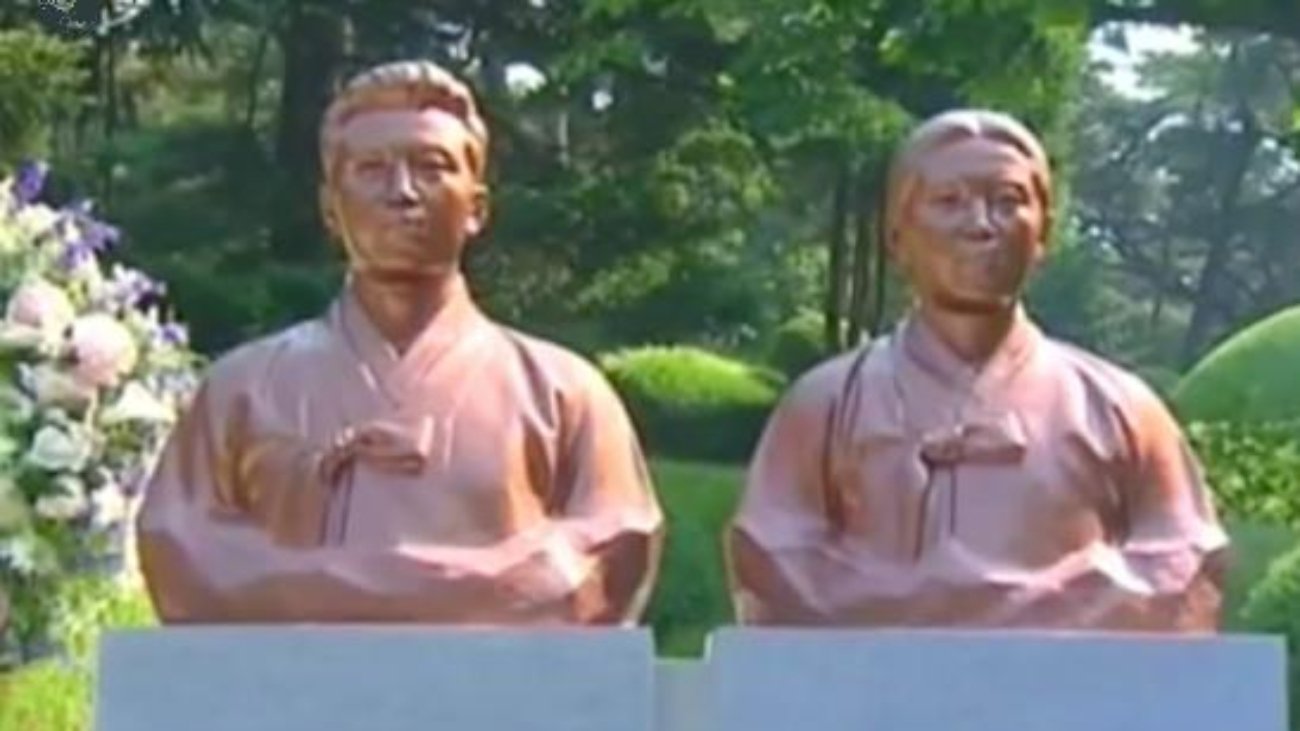
Kim Hyong Jik stands as an influential figure in Korean history, largely due to his significant contributions to the anti-Japanese independence movement. Born on 10 July 1894 in Mangyongdae, he lived through a tumultuous period marked by foreign domination and internal strife. Understanding his legacy is crucial because it provides insights into the roots of modern Korea’s political landscape. As the father of North Korea’s founding leader, Kim Il Sung, Kim Hyong Jik’s actions and ideologies have left an indelible mark on the Kim family legacy, contributing to the dynastic rule that continues to influence North Korea today. In grasping the story of his life, you gain a clearer view of the interplay between revolutionary fervor and familial legacy in Korean political culture.
2. Early Life and Background
Kim Hyong Jik was born in the village of Mangyongdae, which is now part of Pyongyang. His family was well-rooted in Korean traditions and was deeply affected by the socio-political upheaval of the era. Growing up, Kim was influenced by his family’s emphasis on education and the prevailing sense of national pride that simmered under the surface of Japanese colonial rule. Being born into this environment, he was naturally drawn to the cause of Korean independence. This background also positioned him to influence the next generation, as his experiences and values were passed on to his children, notably Kim Il Sung. Understanding his early influences helps in recognizing how foundational beliefs are formed and passed down through generations.
3. Activism and Revolutionary Activities
Kim Hyong Jik was a steadfast participant in the anti-Japanese independence movement, which was a monumental struggle for Korea’s autonomy. His activism was not just limited to political rhetoric; he was deeply involved in organizing efforts to undermine colonial control. He took on roles as a teacher and revolutionary fighter, using education as a tool to bolster national consciousness among Koreans. His contributions were tangible in efforts to galvanize support against colonial powers. His work laid the groundwork for the more prominent movements led by his son, Kim Il Sung. Recognizing his role during this critical juncture offers valuable lessons on the impact of activism and the importance of education as a form of resistance.
4. Personal Life and Family Connections
The genealogy of the Kim family is particularly notable, given its enduring influence on North Korean politics. Kim Hyong Jik’s relationship with Kim Il Sung not only defines him in historic terms but also highlights his role in shaping future leaders. As the paternal figure to Kim Jong Il and the great-grandfather of current leader Kim Jong Un, his teachings and philosophy have been passed down through generations, affecting governance styles and political ideologies. This familial connection underscores a greater narrative of legacy and leadership in Korea, offering insights into how familial beliefs can manifest into longstanding political doctrines. His role within the family emphasizes the importance of understanding personal connections when analyzing the currents of history.
5. Later Years and Death
In his later years, Kim Hyong Jik moved to Jilin Province in China, continuing his activism while living in exile. The move was representative of the sacrifices made by many leaders who were forced to live away from their homeland due to their beliefs. Unfortunately, his life was cut short on 5 June 1926. The circumstances of his death remain somewhat overshadowed by his earlier accomplishments and his family’s continued leadership. However, his relocation and eventual passing serve as reminders of the personal costs that often accompany public service and revolutionary activity. His later life illustrates the frequent hardships endured by those committed to the future of their nation.
6. Legacy and Historical Impact
Kim Hyong Jik’s legacy is profound in the context of Korean independence efforts. His strategic use of education and grassroots campaigns significantly contributed to the burgeoning sense of Korean nationalism during Japanese rule. In modern Korea, his contributions are recognized through various memorials and historical acknowledgments. His role is often highlighted in educational texts and public speeches by current leaders. Understanding his historical impact is pivotal in assessing how individual actions can cascade into broader societal changes and how they inform contemporary political narratives. By recognizing his contributions, you can better appreciate the complexities of national identity formation and political legacy.
7. Conclusion
Kim Hyong Jik’s life and contributions offer a multi-faceted insight into the struggle for Korean independence. From being a committed activist to shaping a political dynasty influencing North Korean governance, his legacy is enduring. His life represents both the personal and collective endeavors required to challenge oppressive regimes. As you study his story, consider the dual role of personal determination and familial legacy in shaping modern political structures. In a broader sense, his legacy continues to shape Korean politics and society, reminding you of the lasting impact individual lives can have over generations.
8. Further Reading and References
For a comprehensive understanding of Kim Hyong Jik’s contributions, continue your exploration through academic sources and public records. The study of history is enriched by examining multiple perspectives, so consider delving into biographies and historical analyses. Online resources, such as historical databases, can offer additional context and depth. For business research and more, you might want to explore resources like Road of Business for diverse perspectives. Accessing a wide range of sources ensures a balanced view of historical events and figures, which is crucial for developing informed perspectives.
Also Read: