
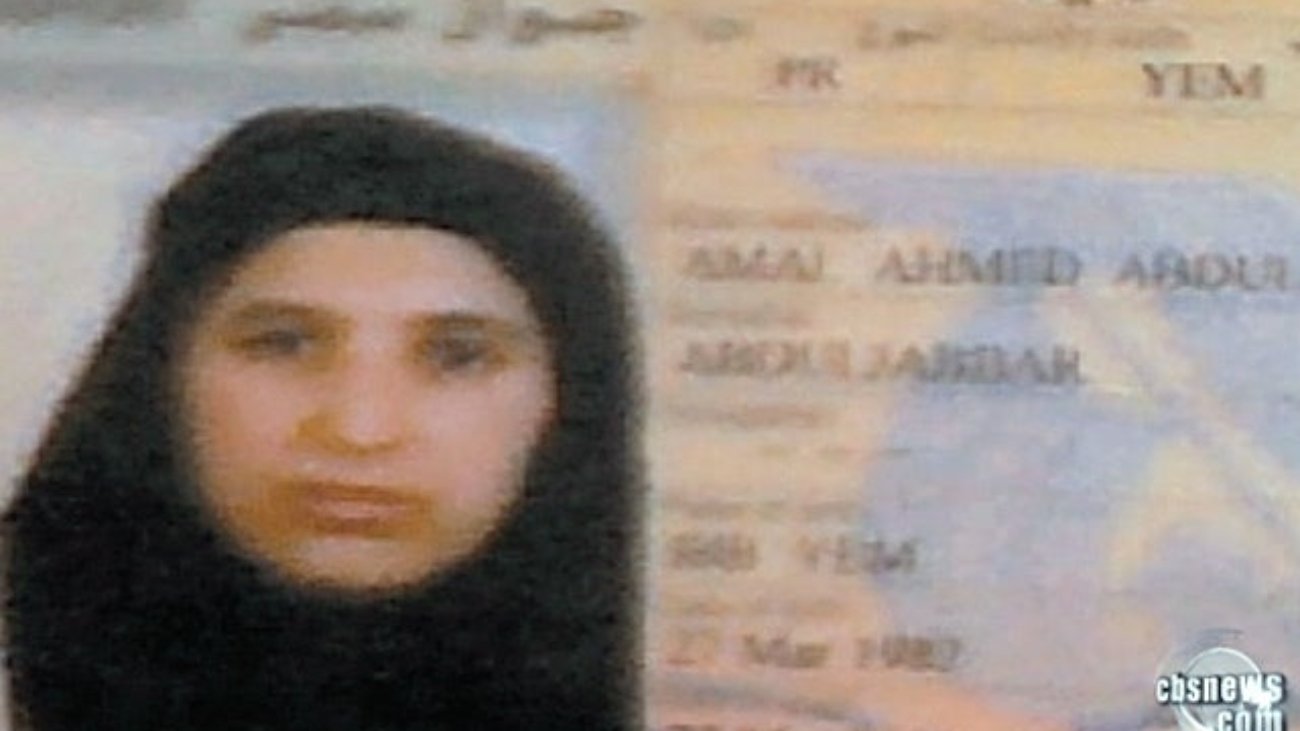
When discussing the complex web of historical figures associated with Osama bin Laden, Khairiah Sabar stands as a noteworthy mention. Primarily recognized for her relationship with bin Laden, Khairiah Sabar, also known by her title “Umm Hamza,” was one of his wives. Her life encompasses personal, social, and geopolitical dimensions which extend beyond her marital association, presenting a mix of personal triumphs and challenges that provide you with a clearer understanding of her role in history.
Background and Early Life
Khairiah Sabar was born and raised in Jeddah, Saudi Arabia, a city known for its cultural significance. Her early life, like many others in Saudi Arabia during the same era, was shaped by traditional values and family expectations. Before her marriage to Osama bin Laden in 1985, she lived a relatively private life. The specifics of her early years remain somewhat elusive, but what stands out is her life transition from a local of Jeddah to a figure intertwined with global affairs.
Marriage to Osama bin Laden
In 1985, Khairiah Sabar entered into marriage with Osama bin Laden. As his oldest wife, she was reportedly seven to nine years older than bin Laden. This union was more than just a personal relationship; it served as a stabilizing family force, especially as the bin Laden household expanded. Within the family, Khairiah took on the essential roles of wife and mother. You may perceive these roles as challenging due to their coexistence with bin Laden’s demanding public life and the family’s constant transitions.
Personal Challenges
Khairiah faced her share of personal challenges, notably her experience with multiple miscarriages. Reports suggest she had a son, Hamza bin Laden, yet the tragedies of miscarriages deeply affected her. Regarding her education, there’s an interesting aspect for you to consider: while some narratives mention her background in child psychology, others dispute this claim, indicating the fluid nature of available information on her life. This discrepancy invites you to navigate the sources carefully, reflecting on the context and content of each.
Life After 2001
Following the U.S.-led invasion of Afghanistan in 2001, Khairiah’s life took another turn. The challenges of being associated with Osama bin Laden became increasingly complex. Reports indicate that she moved to Iran, where she and her family lived under house arrest for a period. This situation involved both logistical and emotional difficulties, highlighting the high stakes faced by the family during this turbulent time. Eventually, she was able to rejoin the bin Laden household in Pakistan, where the risks continued.
Incident at Abbottabad
The residence at Abbottabad turned into a focal point in global history during the U.S. raid in 2011. Khairiah Sabar was present in the compound at the time. Her presence turned into a critical element following the raid, as she was subsequently detained and interviewed by Pakistani authorities. This event marks a significant period in her life, shedding light on the intense scrutiny faced by those associated with bin Laden. The complexities of her experiences during this period require careful consideration of personal, legal, and geopolitical aspects.
Return to Saudi Arabia
After her detention in Pakistan, events unfolded that allowed Khairiah to return to Saudi Arabia. The circumstances surrounding her departure and repatriation highlight the ongoing challenges and decisions that you should be aware of when considering the broader implications on her life and personal agency. Returning home marked a new chapter, yet it also continued to reflect the complex interplay of regional and international dynamics influencing individuals’ lives connected to notable political figures.
Conclusion
In tracing Khairiah Sabar’s life, you encounter a series of personal and historical moments that collectively create a compelling narrative. Her role within Osama bin Laden’s family offers significant insights not only into her personal resilience but also into the broader historical context of her era. If you’re interested in deeper understanding, this examination of Khairiah Sabar’s life encourages a nuanced reflection on how personal and political spheres intersect in impactful ways. For more related insights on such complex personalities and their historical impacts, you can explore resources available that provide comprehensive narratives and analyses. By doing so, you’re fostering a richer understanding of the intertwined nature of personal history and global events.
Also Read: